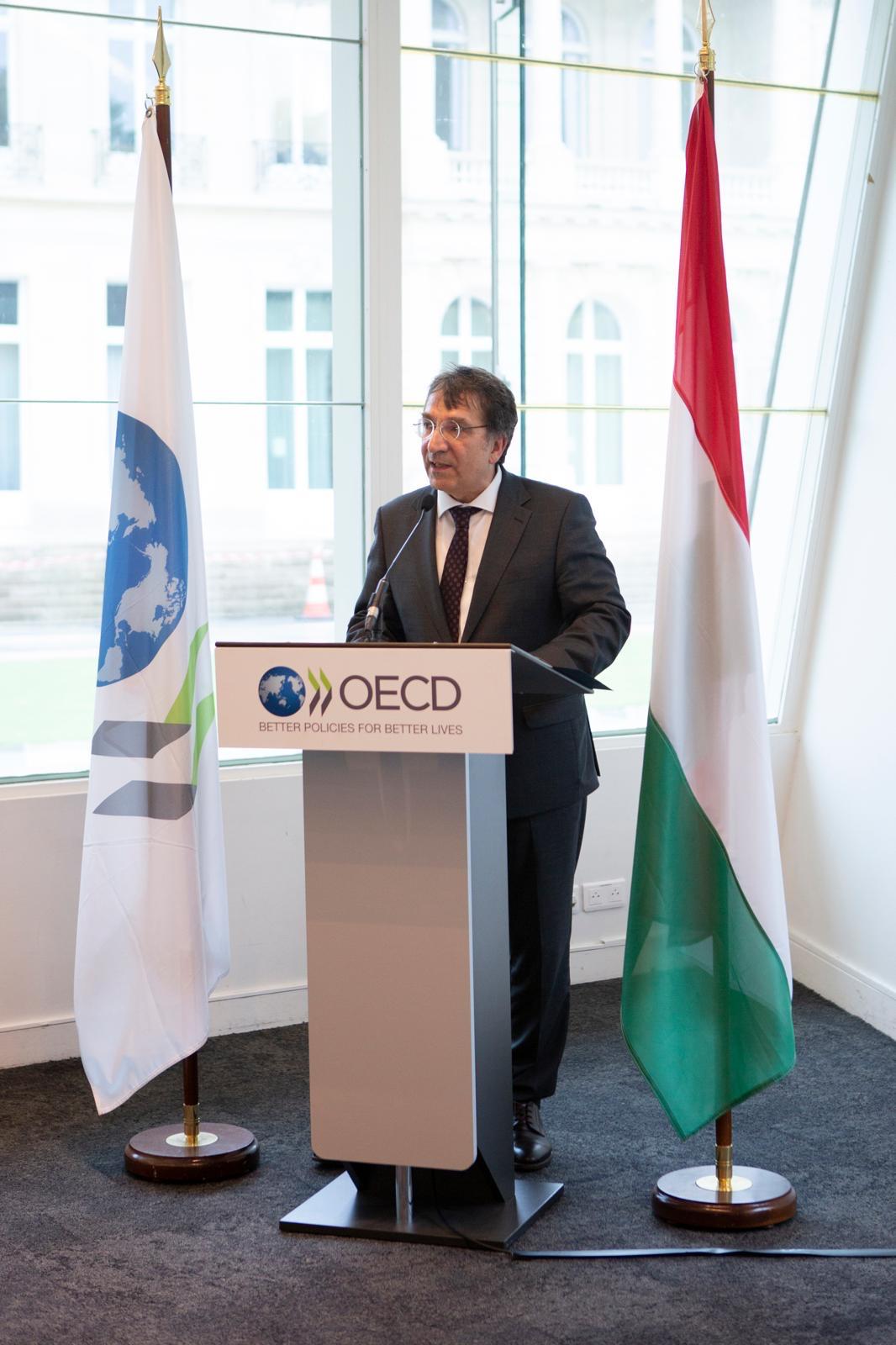
Opening the event, Ambassador Nikoletti welcomed representatives of OECD member countries, senior OECD officials and other distinguished guests. He reflected on how profoundly both Hungary and the world have changed since 1996 — from the post-Cold War transition period to today’s era shaped by globalization, digital transformation, geopolitical tensions and energy challenges. Hungary’s OECD accession came before NATO and European Union membership, serving as one of the country’s earliest and most important strategic commitments to the community of advanced democratic market economies.
Ambassador Nikoletti highlighted that OECD membership has never been merely symbolic for Hungary, but has provided practical value through policy reviews, economic analysis, regulatory standards, education and tax cooperation, and access to international expertise. Looking toward the future, he outlined several areas where Hungary sees strong potential for further engagement with the OECD, including productivity and competitiveness, demographic resilience, energy security and green industrial transition, as well as regional policy innovation in Central Europe.
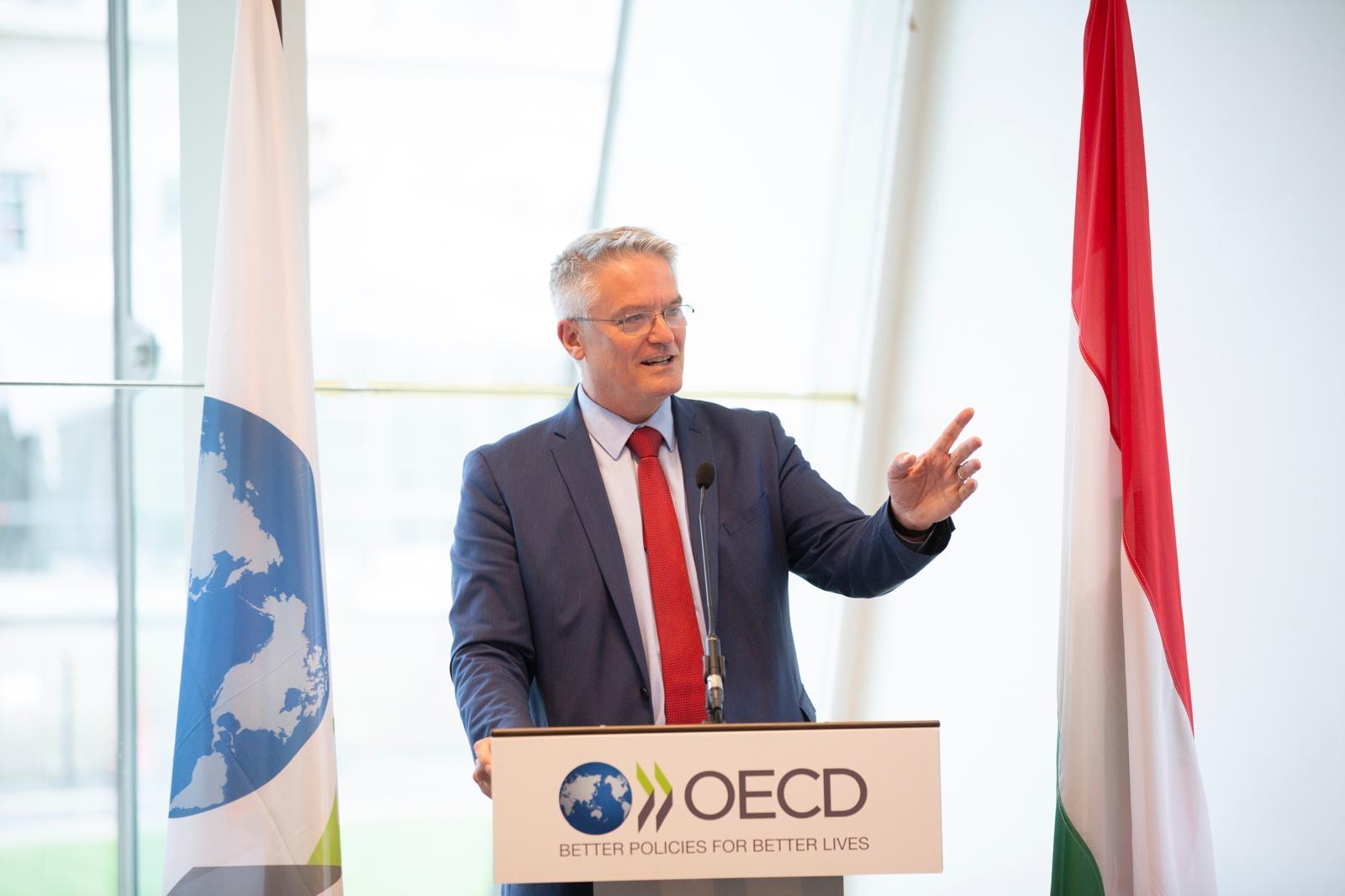
In his speech OECD Secretary-General Mathias Cormann emphasized that over the past thirty years Hungary had undergone one of Central Europe’s most significant economic and institutional transformations, evolving from a transition economy into a deeply integrated export-oriented member of the global economy. The Secretary-General underlined the strength of the Hungary–OECD relationship and reaffirmed the shared commitment to continued partnership in addressing future global challenges.
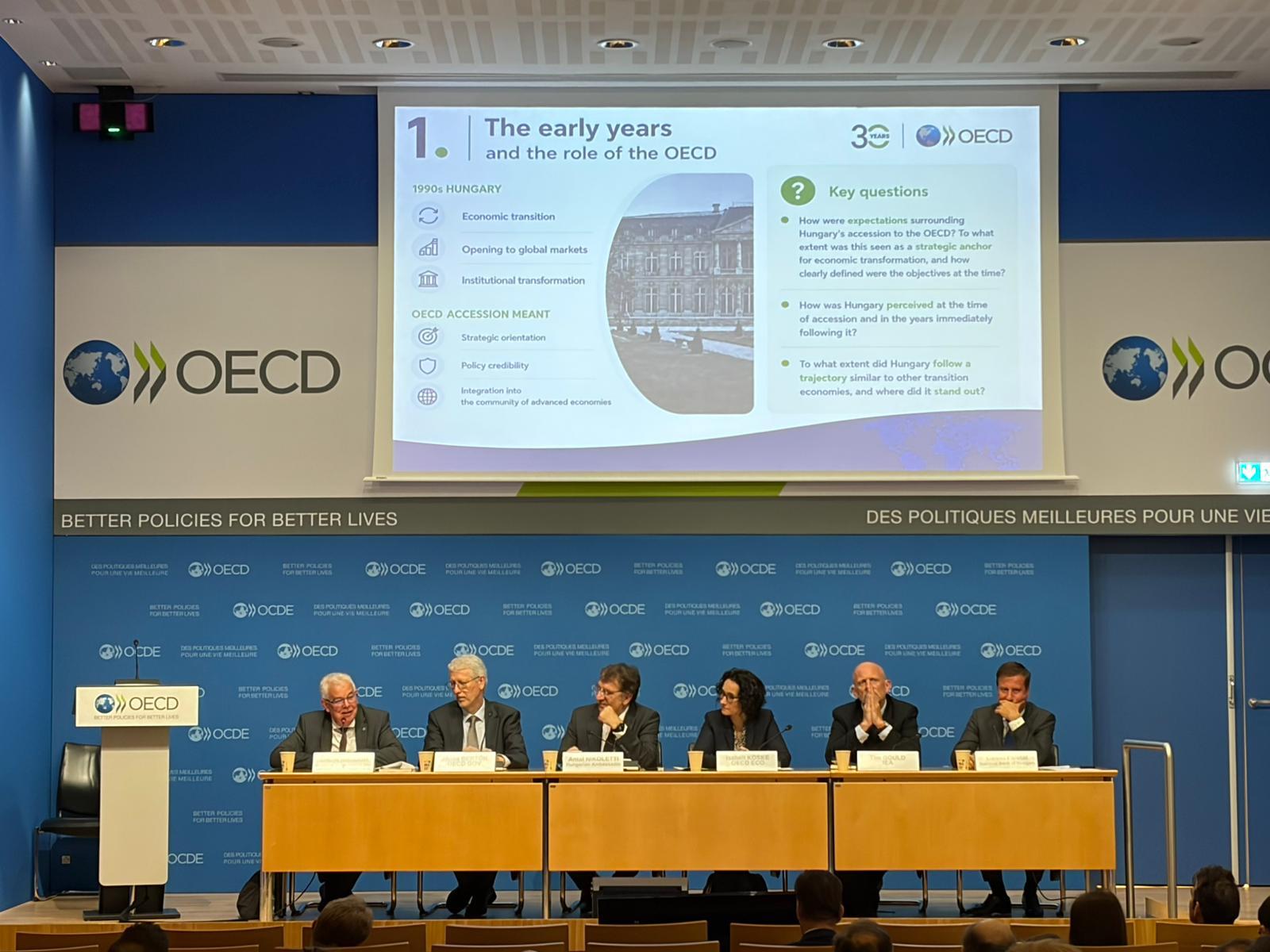
The anniversary programme featured a panel discussion “Beyond the First 30 Years: Shaping Hungary’s Next Chapter in the OECD – From Integration to Transformation”. Distinguished speakers included László Balogh, chief negotiator for Hungary’s OECD accession and Hungary’s first Ambassador to the OECD; Dániel Palotai, Deputy Governor of the National Bank of Hungary; Isabelle Koske, Deputy Director of the Country Studies Branch in the OECD Economics Department; János Bertók, Deputy Director for Public Governance at the OECD; and Tim Gould, Chief Energy Economist at the International Energy Agency. The discussion explored Hungary’s economic transition, competitiveness, energy security, institutional development and future policy challenges in an increasingly uncertain global environment.
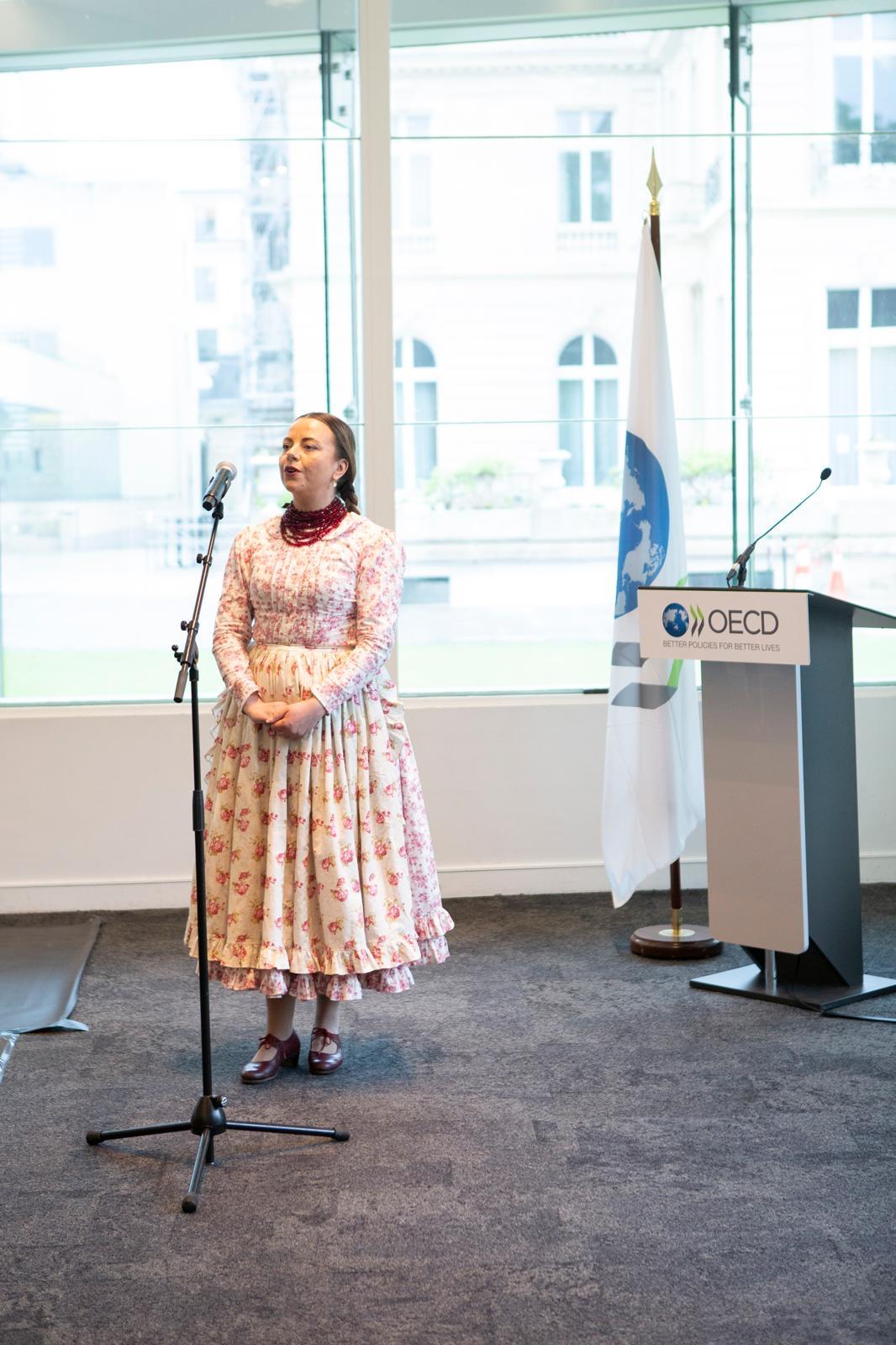
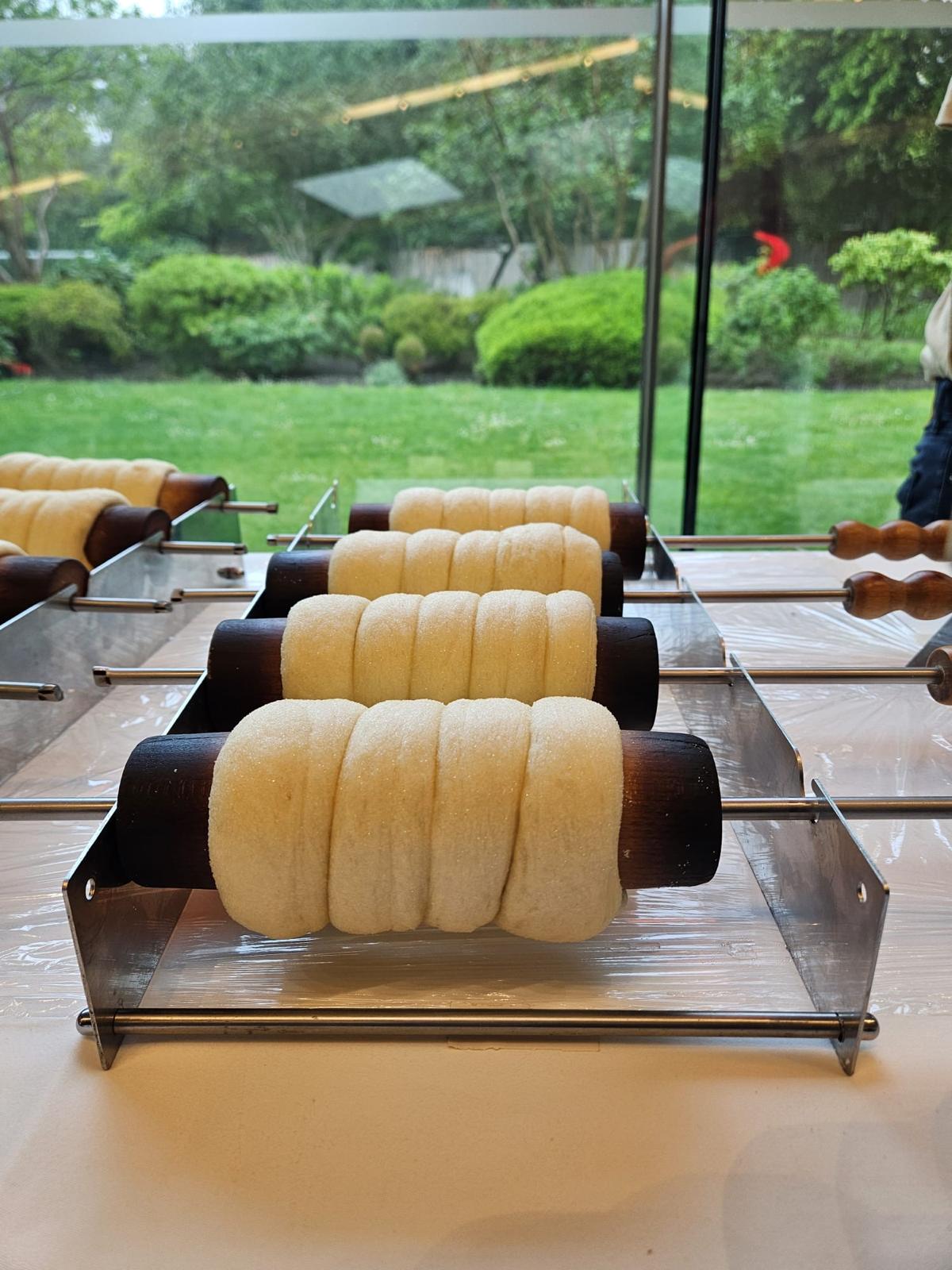
The celebration concluded with a contemporary performance inspired by Hungarian folk traditions, a reception presenting Hungarian gastronomy and “Hungarikums”, as well as an exhibition at the OECD Conference Centre showcasing Hungary’s internationally renowned inventions and scientific achievements.